
What is Market Research in Game Development?

Market research involves surveying target audiences to understand player preferences, behaviors, and decision-making before and during development. Unlike UX testing where players interact with your game, market research gathers data through questionnaires, concept evaluations and competitive analysis.
The goal is understanding your market and target audience well enough to make informed decisions:
- What to build
- How to position it
- What players will pay for
- Where your opportunities lie
Market research saves time and money by validating decisions before you commit resources. It doesn’t guarantee success, but it significantly lowers risk by giving you clear insights into who will play your game and what they expect.
When to Use Market Research
Market research applies across the entire game development lifecycle:
1) Pre-Development
Before you write a single line of code, market research helps you understand market trends, player preferences and competitive landscapes.
- What genres are growing?
- Which mechanics resonate with your target demographic?
- What devices and platforms should you prioritize?
This stage answers fundamental questions about strategic direction, what to build and for whom.
2) Early Concepts & Mockups
You have art concepts, maybe a rough gameplay video or basic mockups. Market research validates whether these concepts resonate with your target audience before you commit.
Test story concepts, art styles, core mechanics or unique features against player expectations and preferences.
3) During Development (A/B Testing)
As you build, you can A/B test between design alternatives.
- Which weapon effects feel more satisfying?
- Which art style appeals more to your audience?
- Which character designs stand out?
A/B testing through surveys lets you make data-driven decisions on features, visuals and mechanics while development is still flexible.
4) Soft Launch (Store Page Optimization)
Your Steam page or app store listing is often the first impression players get. Market research reveals whether your trailer communicates clearly, if screenshots showcase the right features and if your description delivers the hype.
Optimize conversion from page visits to wishlists or installs before your full launch.
5) Post-Launch & Live Ops
Your game launched but isn’t performing as expected. In this case you can diagnose why by asking your players directly:
- Is pricing the issue?
- Does your audience understand what makes your game unique?
- Are you targeting the right players?
For live games, research informs monetization packages, event design and ongoing DLCs/content decisions.
Market Research Segmentation
We structure market research studies across three main segmentation levels, depending on your goals:
1) Global/Regional

Who: Broad audience across regions or countries
Goal: Understand high-level trends, device preferences genre popularity and player behavior changes over time
Use Case: Strategic planning for studios with multiple projects or publishers deciding where to invest. For example, understanding which genres are trending in specific countries, what devices players prefer or how spending habits have evolved over the past year.
Example Application: A global publisher conducts annual research across 10-12 countries to understand regional trends. This data informs which studios should focus on which genres and platforms for the coming year.
2) Genre-Specific
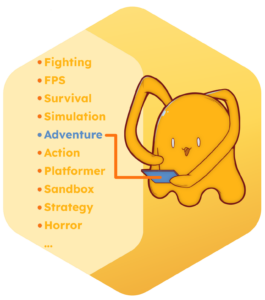
Who: Players who engage with specific game genres (e.g, RPG, FPS, strategy etc.)
Goal: Understand your target genre audience, so their habits, preferences, what mechanics they value and how they differ from other player segments
Use Case: You’ve identified a genre through data analysis and want to understand the audience before building. What mechanics do they expect? What art styles appeal to them? What are their gaming and non-gaming habits (useful for ad targeting)?
Example Application: A studio planning an FPS game surveys players who regularly play competitive shooters to understand what mechanics and features they prioritize, what keeps them engaged long-term, and what differentiates top titles in the genre.
3) Game-Specific
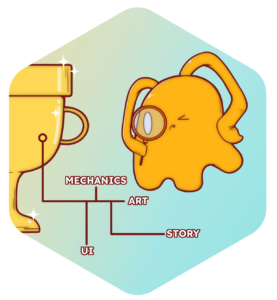
Who: Players of specific competitor games or your own game
Goal: Deep competitor analysis or understanding your existing player base
Use Case: Analyzing how competitor games are designed, their monetization, what their players value or understanding your own players’ mindset to improve retention and monetization.
Example Application: Surveying players of a successful title to understand what keeps them engaged and spending, then applying (or adjusting) those insights to your own development.
How Antidote Structures Market Research
Our process adapts to each project’s needs, but follows a consistent framework:
Step 1: Discovery and Goal Definition
During discovery, we align on:
- Research objectives (what decisions will this inform?)
- Target audience requirements
- Timeline and deliverables
- Study scope and budget
Step 2: Questionnaire Design
For small-scale projects: We typically design the full questionnaire, presenting draft questions with clear explanations of what each question measures and what insights it will provide. The client reviews and we refine based on feedback.
For large-scale projects: Many have in-house research teams who draft questionnaires themselves. We review for clarity, logic flow and any improvements. Some handle questionnaire design entirely internally and we implement and execute their specifications.
We present questionnaires in Google Sheets with flowcharts attached when logic is complex, ensuring clients understand exactly how the survey functions before launch. The client receives access to test the survey, providing final confirmation before launch.
Step 3: Audience Recruitment
We offer two recruitment methods:
Player Community Panel: We maintain a dedicated panel of gamers with diverse profiles located worldwide. This community consists of engaged players across various genres and platforms. This method works well for most research needs and provides quick access to quality respondents.
Paid Media Campaigns: For extra niche profiles or when teams request this specific method for their research goals, we run targeted ad campaigns to recruit respondents. This approach is useful when you need very specific demographics or regions.
Either way, we get the right players in front of you. Our recruitment team prepares all necessary materials and plans campaigns to meet your project timelines.
Step 4: Data Collection and Monitoring
Once live, we actively monitor responses through multiple quality checks:
Automated Fraud Detection: Scripts running in both our platform and external engines validate responses using:
- Response time analysis (unusually fast completions flagged)
- IP address checks (duplicate prevention, suspicious patterns)
- Logic validation (checking answer consistency across related questions)
Manual Review: For complex studies, we review flagged responses manually to ensure we’re not removing legitimate data while catching fraudulent completions.
Invalid responses are removed before data delivery.
Step 5: Delivery and Reporting
Raw Data: All clients receive cleaned raw data after quality validation.
Full Reports: Many clients request complete analysis reports from our team. These typically take 7-10 days to produce and include deep analysis across all research goals, surfacing insights and actionable recommendations.
Reports connect findings directly to the original research objectives, making it clear how data informs specific decisions.
Case Studies
Due to confidentiality agreements and NDAs, we can’t name specific games for some examples, but we can share how we structured these tests and the results they delivered.
1) Annual Global Gaming Trends Study
Challenge: A global publisher with multiple studios needed strategic direction for the coming year across 10+ target markets.
Approach:
- Annual survey across selected countries
- Broad audience sampling within each region
- Questions covering device trends, genre preferences, spending habits, time investment changes, and platform preferences
- Profile data collection for demographic segmentation
Results: The publisher gained comprehensive data on regional trends, allowing them to direct studios toward high-opportunity genres and platforms for each market. Studios received clear strategic guidance on what to prioritize based on regional player behavior.
2) Game Concept Validation
Challenge: A studio developing a sports title with unique mechanics wanted to validate whether these innovations would attract players in a crowded market.
Approach:
- Target audience: UK, Italy, and Spain players with experience in a set sports games
- Presented 3-4 minute concept video explaining the game and unique features
- Survey measured interest, perceived differentiation from existing games and likelihood to play
Results: Clear data on whether the unique mechanics differentiated the game enough to compete or if players preferred sticking with established titles. Informed the team’s decision on whether to proceed with development.
3) Art Style A/B Testing
Challenge: A studio developing a puzzle game needed to choose between art concepts before full production.
Approach:
- Target audience: players who spend money on similar games
- Presented multiple art style options
- Measured appeal, perceived quality and preference ranking
Results: Clear winner emerged, allowing the team to commit to art production with confidence that the chosen style resonated with paying players in the genre.
4) Steam Page Optimization Study
Challenge: A studio preparing for launch needed to optimize their Steam page for maximum conversion from visits to wishlists.
Approach:
- Surveyed target audience with Steam page materials (header image, trailer, screenshots, description)
- Measured clarity of game concept, visual appeal, feature communication
- Identified specific elements that confused or failed to engage potential players
Results: Specific recommendations on which visuals to replace, how to restructure the description and what features to emphasize in screenshots. Optimized page before launch to maximize wishlist conversion.
Need Help Organizing a Market Research Study?

If you’re making development decisions based on assumptions rather than data, market research provides the insights you need to reduce risk and increase your chances of success.
Our in-house research team can handle the entire process, from designing questionnaires aligned with your goals, to recruiting the right audience, to delivering clean data and insights.
Contact us to discuss your research needs and design a study that informs your most critical decisions.