The October 2026 edition of Steam Next Fest wrapped up with over 7,000 playable demos on the storefront.. Standing out in a lineup that size has always been tough, but this year highlighted an even steeper shift, as roughly 34.6% of those demos openly disclosed using AI.
When you compare that to roughly 17% disclosed AI use in 2025, the presence of AI-assisted assets and systems is growing fast. Valve only requires disclosure for customer-facing generative AI, not behind-the-scenes engineering or production tools, so the real footprint across the festival was likely much higher.
Looking at Valve’s latest comments alongside what we see every day at Antidote, your community (sharpened through continuous iterative playtesting) is the only moat that holds up.
In this article, I will share key takeaways from Valve’s comments and my thoughts on this topic.
Store Visibility Follows Player Behavior
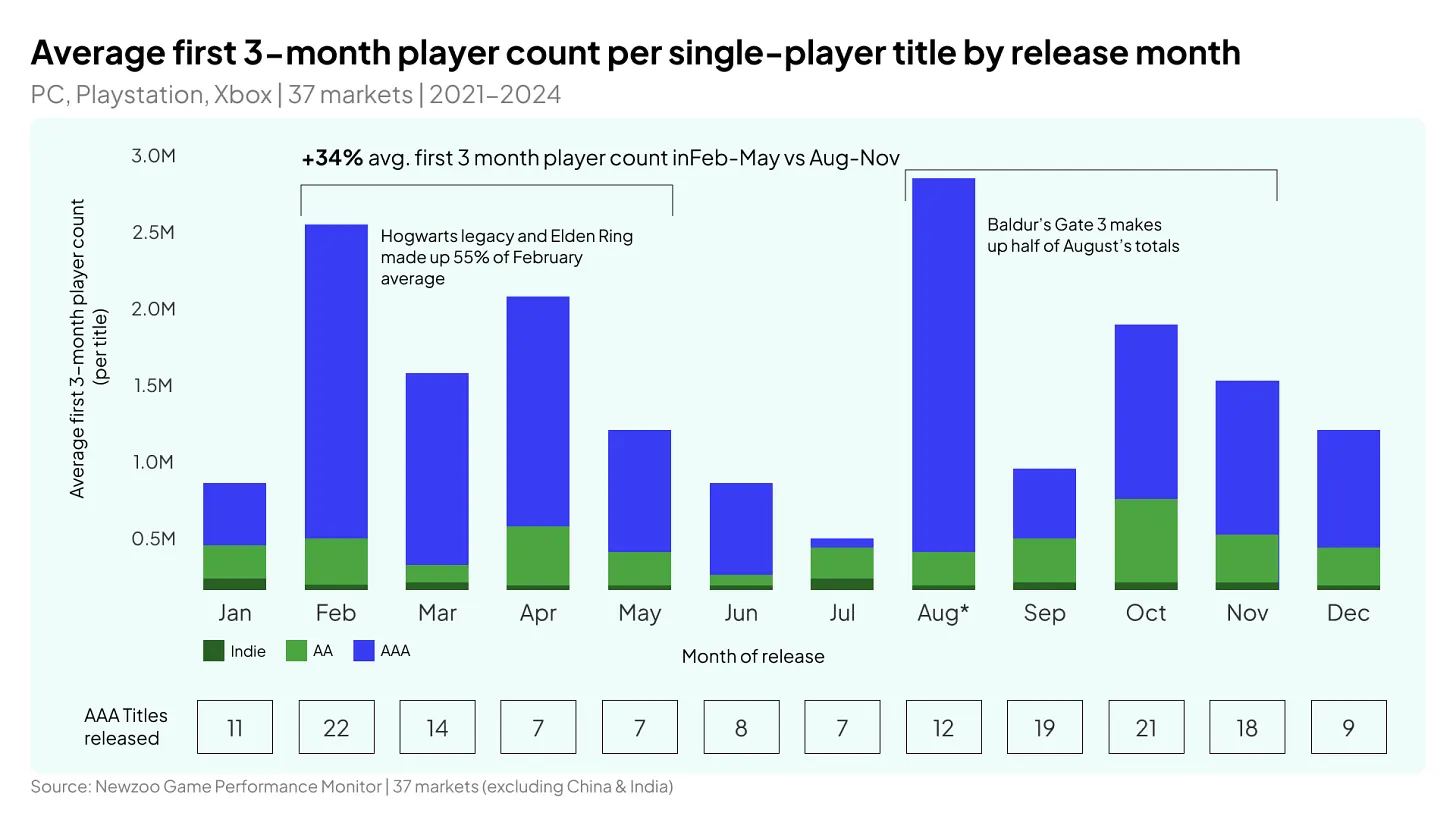
Many production timelines treat wishlists as the definitive score of pre-launch health. The assumption is usually that hitting a specific wishlist tier guarantees front-page exposure once the launch button is pressed.
Valve clarified how the store actually behaves:
- Wishlists reflect marketing reach, not storefront momentum. High wishlist totals show that your concept caught attention on social feeds or festival lists. They don’t guarantee the store algorithm will keep pushing your game on release day.
- Store placement depends on active play and conversions. Valve’s recommendation engine monitors purchasing and sustained playtime. If thousands of players buy your build, run it for twenty minutes and drop off because the first-time user experience is broken, the store stops prioritizing the title.
- The first two days of Next Fest use randomized exposure. Valve noted that the opening 48 hours intentionally expose demos on a virtually random basis to prevent developers from gaming early positions. Personalized recommendations only begin on day three, surfacing games based on engagement metrics.
A million wishlists cannot save a game with weak onboarding or poor user experience. A strong momentum comes from players who play the game, stick around and tell their friends to buy it.
A Single Mechanic Is Not a Moat
If your game relies entirely on a novel mechanic stripped of creative personality, anyone with generative tools can clone while you sleep. We are already seeing reports of devs receiving threats from bad actors claiming they can spin up AI clones of unreleased demos within days.
Valve’s advice to teams was to avoid building around a single copyable hook.
A defensible game combines multiple layers:
- A distinct creative voice: Art direction, tone, narrative pacing and audio design that feel deliberate rather than assembled from prompt presets.
- Interlocking systems: Mechanics that work together in ways that cannot be copied simply by scraping a fifteen-second gameplay clip.
- Iterative refinement: Small design touches that can only be uncovered by watching hundreds of real humans struggle, adapt and succeed in your levels.
You cannot protect a core mechanic through secrecy. The defense comes from depth, polish and the nuances your team discovers while testing.
Testing alongside players builds what AI cannot scrape
Anyone can prompt an AI model to generate game assets, code snippets or mock up level layouts. What AI cannot do is sit down with your build, get confused by your tutorial, miss an inventory cue or feel the satisfaction of clearing a tight encounter.
I like to think of game development as tuning an acoustic instrument. You can measure the strings with a machine, but you cannot tune it properly without listening to the resonance in a room.
That resonance is your player base.
When you bring target players into your development pipeline early, two crucial things happen:
You Eliminate the Guesswork in Your Design Loops
Quantitative analytics show you what players do, such as dropping out at minute twelve or ignoring a side path. Iterative qualitative testing shows you why they do it.
Watching session recordings and collecting targeted feedback lets you fix onboarding friction, cognitive overload and balance issues long before launch day. By the time your public demo goes live, the experience feels natural because real players helped you sand down the rough edges.
You Turn Testers into Your Core Community
When players see their feedback actively shaping the game, they become invested co-creators.
That emotional investment creates organic advocacy. When your game launches into a crowded market, those early playtesters are the ones writing honest Steam reviews, troubleshooting issues for newcomers on Discord and streaming your build to their communities.
A cloned build launched by an anonymous studio cannot manufacture that trust.
Treat Launch Day as the Starting Line
One of the best points made by Valve’s Tom Giardino was that ‘launch feels like the finish line, but it’s actually the starting line.’
In an AI-heavy ecosystem, games that stay static get overtaken. Studios that thrive treat launch as an ongoing conversation:
- Maintain the testing cadence post-launch. Player behavior evolves as your meta settles. Regular research sprints help you identify why new cohorts might churn after the first major content drop.
- Iterate in public view. Regular updates that directly address community friction prove that there are dedicated human designers behind the wheel.
- Protect your studio’s credibility. Clones will always appear. What keeps players loyal to the original project is knowing the development team listens, communicates transparently and continuously improves the experience.
Focus on the Human Connection
The influx of AI-assisted releases is not slowing down. Standing out among 7,000 demos is no longer just about generating eye-catching key art or relying on an interesting premise.
The studios that break through will be the ones that invest heavily in their player relationships long before release day. Build a clear creative vision, put your builds in front of target players early and often, and let real human feedback guide your iteration.