


Watch the Video
Did you know that only two playtesters were able to fully finish Hollow Knight: Silksong during its early development?
Game developer Matt Trobbiani (who was one of those two, by the way) revealed that the pre-release version was even harder than the game players eventually received. He said that many of the changes made before launch involved reducing the difficulty of certain bosses.
For example, Trobbiani struggled against Trobbio, a flamboyant boss he helped voice. Every time he died, he had to listen to his own voice lines taunting him, a uniquely cruel experience for a game dev if you ask me.
But what is the underlying lesson here?
Why the Difficulty Works
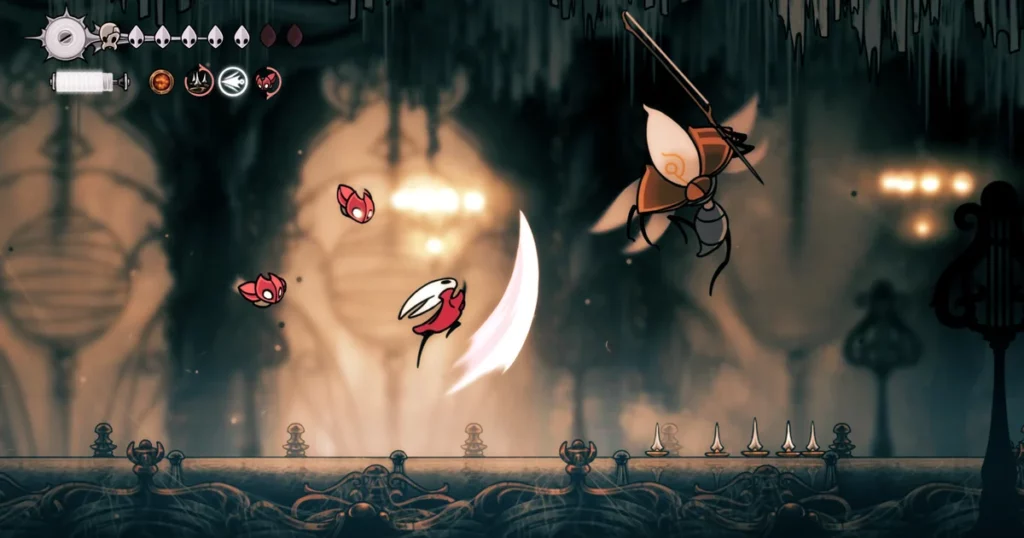
On paper, a game that almost no playtesters can finish sounds like a problem. But Silksong was designed around overcoming difficult challenges. Players are expected to study enemy patterns, improve their movement and gradually turn repeated failures into progress.
That philosophy is reflected in its critical reception. OpenCritic lists the game with a top-critic average of 91 out of 100, while 96% of tracked critics recommend it. Its difficulty is often mentioned as a major challenge, but also as an important part of the game’s identity.
The key difference is between a challenge that feels difficult and one that feels unfair. Players are usually willing to retry a boss repeatedly if they understand why they failed and believe they can improve.
Testing for Fairness
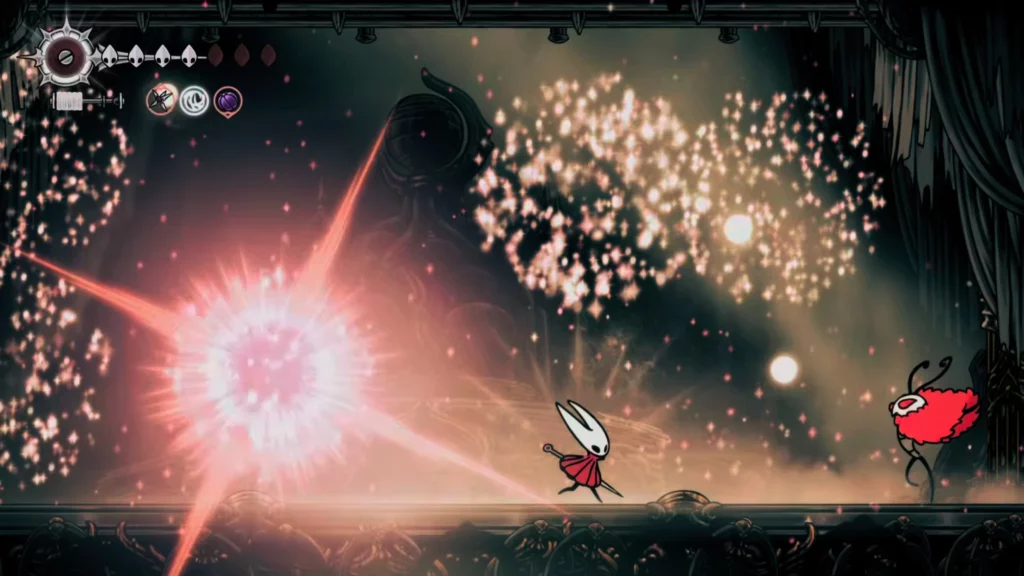
This story highlights an important lesson about game testing: it’s not always about making the game easier.
For a deliberately punishing game, testers need to determine whether the difficulty creates satisfying tension or pointless frustration. A boss can be extremely powerful, but its attacks still need to be readable, the controls need to respond properly and the player needs a realistic chance to react.
Trobbiani mentioned that some attacks were adjusted by adding more warning frames, the brief visual signals that appear before an attack lands. Even a small timing change can make a boss feel more challenging without making it feel unfair.
A fair challenge usually gives players:
- Clear clues about what is coming
- Responsive controls
- Consistent attack patterns
- A way to learn from each failed attempt
The problems appear when players do not understand why they failed or feel they had no way to respond.
The Real Lesson
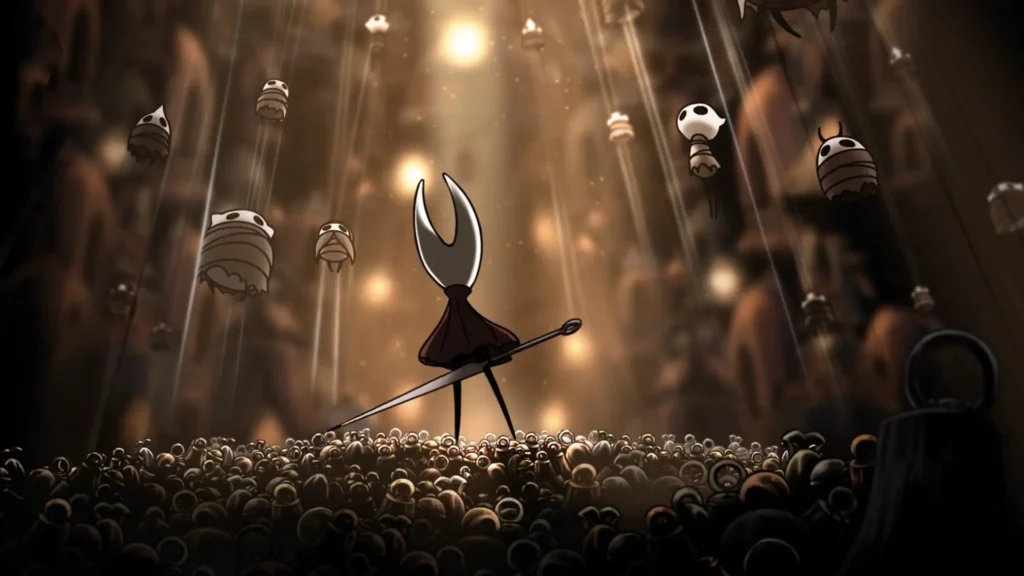
The Silksong example shows that successful playtesting means shaping every obstacle to support the experience the developers want players to have.
A difficult game should make players think:
“I can do better next time”
It should not make them think:
“There was nothing I could have done”
That is the difference between good frustration and bad design. Silksong’s early builds may have been brutally difficult, but careful testing helped preserve the challenge while making the final experience more readable and fair.