

Watch the Video
Sound Design in Games
A lot of people don’t realize just how important sound is in video games. We spend so much time talking about things like frame rates that we ignore the audio coming through our speakers 🎧
Yet, game audio has a unique way of burning itself into our brains. You can turn off your screen entirely, play a brief sound effect, and your mind immediately recognizes the game.
For example, think of:
- Super Mario Bros. coin chime
- Minecraft’s mining or eating sound
- Metal Gear Solid’s alert siren
That is the magic of great sound design.
When Sound Becomes Your Second Pair of Eyes
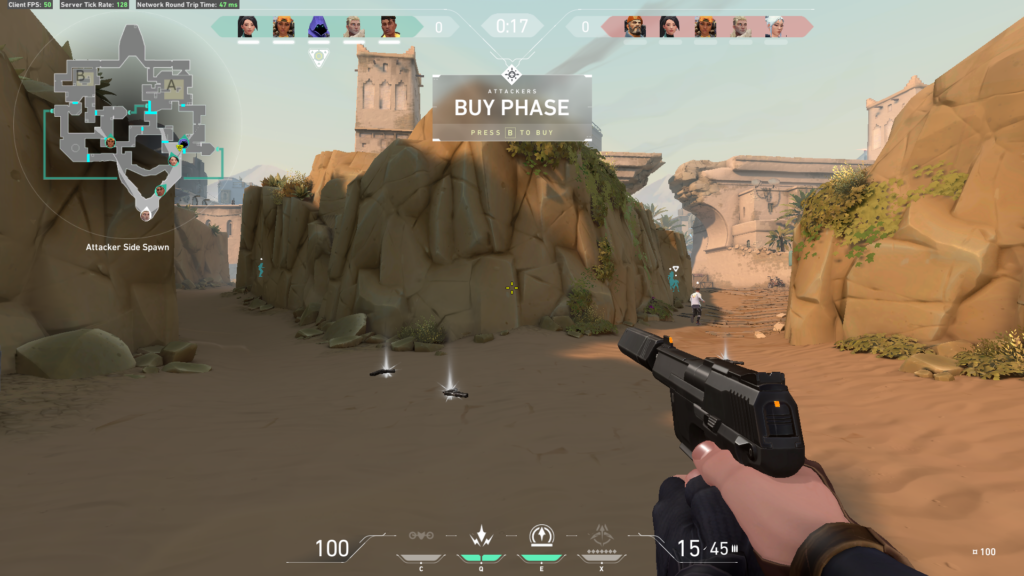
In fast-paced shooters like Counter-Strike or Valorant, audio moves past setting a cool atmosphere and becomes a survival tool.
When you run around an arena trying to stay alive, sharp audio design gives you crucial tactical information like:
- Footstep surface cues: You can hear if an enemy is sprinting on metal, wood, or gravel, which tells you their exact location.
- Spatial positioning: You hear a grenade pin drop behind a wall, giving you half a second to dive for cover.
- Audio reloading cues: You catch the click of your opponent’s empty magazine, letting you know it’s time to attack.
In these high-stakes games, audio needs crisp realism because missing a single audio cue means you end up back in the lobby.
Inventing Sounds for Things That Don't Exist
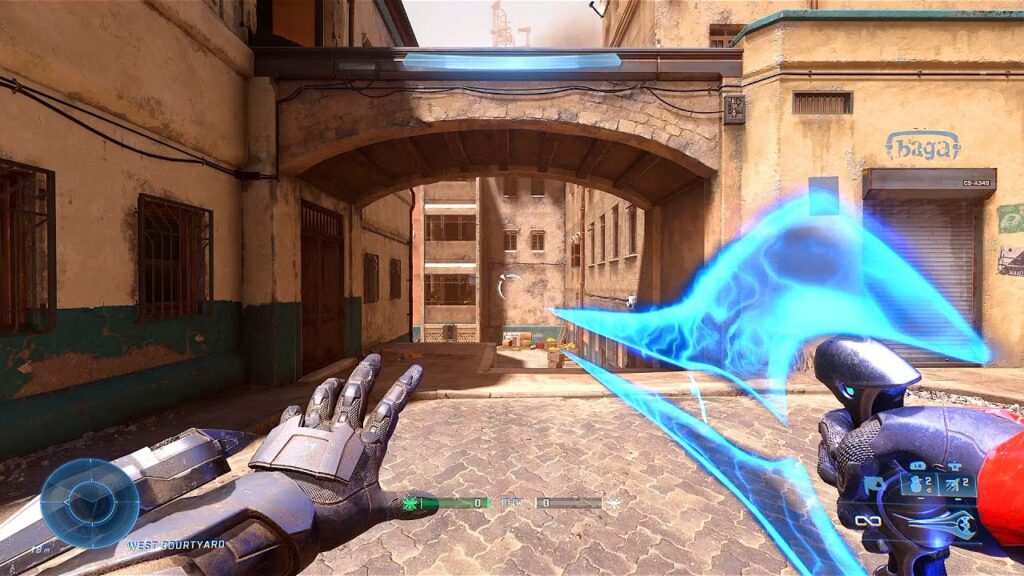
Realism works great for a tactical shooter, but game devs face a totally different challenge when they build sci-fi worlds filled with fake weapons and alien creatures.
Take Halo’s Energy Sword as a classic example. You can’t walk outside with a microphone and record a plasma blade igniting (at least, not yet 👀). To build that sound out of thin air, audio engineers used a process called foley layering.
They recorded completely random real-world noises like idling engines, metal swooshes and static hums, modified their pitch, and mashed them together.
The end result was an iconic alien hum so distinct that any player knows who holds it, how close they are and that it’s time to run away fast!
Functionality Meets Game Identity
Good audio design passes a simple test every time: a player should instantly know:
- where they are
- what just happened
- what to do next using their ears alone
When developers nail that mix of practical feedback and creative sound effects, the audio stops being background noise and turns into the soul of the experience.
Sound design rarely gets the spotlight, but it shapes how we play and remember games just as much as the visuals. Next time you play your favorite game, try playing with the sound off for five minutes, you’ll realize pretty quickly how much you rely on it 🙃